Haven’t Been to the Dentist in Years? Let’s Talk About Dental Shame
If it has been five, ten, or perhaps even fifteen years since you last sat in a dental chair, you are certainly not alone. Life happens. Between demanding work schedules, financial pressures, family responsibilities and dental anxiety… Years can slip fast.
Yet, for many people, avoiding the clinic creates a heavy emotional weight. A deep sense of embarrassment or what many healthcare professionals refer to as “dental shame” begins to take over. You might find yourself avoiding mirrors, covering your mouth when you laugh or lying awake at night worrying that fixing your teeth will be an overwhelming, painful or intensely judgemental experience.
If you’re carrying this weight, take a deep breath. Understanding that dental professionals see these situations every single day helps take the pressure off. Making sense of how to return to routine care without fear allows you to take that first step towards reclaiming your health and confidence.
Why Do We Feel “Dental Shame”?
Dental anxiety and dental shame are deeply interconnected. When someone misses a few routine check-ups, small issues like mild plaque buildup or early-stage decay can develop into more noticeable concerns such as gum bleeding, persistent bad breath or visible staining.
This creates a psychological barrier. People often feel that walking into a clinic after a long absence means walking into a lecture. They worry a dentist will judge them for not looking after their teeth well enough, or that their current oral health reflects personal failure.
However, modern dental care has shifted long past the days of lecturing or judgment. A reputable, patient-focused clinic views a returning patient not with criticism, but with relief and genuine support. Healthcare providers understand that fear, time constraints, and shame are hard to break through. Their primary goal is never to look backwards at how long you stayed away, but to look forward and help you restore your oral health in a safe, comfortable environment.
The Hidden Cost of Postponing Dental Care
When avoidance stretches over years, it is easy to adopt an out-of-sight, out-of-mind mentality. Unfortunately, dental issues rarely resolve themselves.
- The progression of plaque and tartar: Without professional cleaning, soft plaque hardens into tartar along the gumline. This irritates the gums, leading to inflammation, bleeding and eventually early stages of gum disease (gingivitis or periodontitis).
- Deepening decay: A minor, easily treatable cavity caught early can often be resolved with a simple filling. Left unattended for years, decay can reach the inner pulp of the tooth, requiring more complex interventions like root canal therapy.
- Structural wear and tear: Missing teeth or uneven bite misalignments can place uneven pressure on your remaining teeth, causing accelerated wear, cracks or jaw joint discomfort.
Recognising these risks is not meant to scare you, but rather to empower you. No matter how long it has been, modern dentistry possesses advanced, gentle solutions for almost every dental challenge.
What Actually Happens at Your First Visit Back?
Anticipation of returning to the dentist is almost always more stressful than the appointment itself. Knowing what to expect can quiet those nervous thoughts before you even step through the door.
When you book an appointment after a long break, your first visit rarely rushes into complex treatments. Instead, it is a collaborative conversation and an assessment.
No judgement, just listening! Your dentist will sit down with you to discuss your dental history, any current discomfort and your specific worries. This is your chance to share your anxieties openly in a safe space.
And the clinical team will gently examine your teeth, gums and soft tissues. If you need digital X-rays to check beneath the surface, they will explain every step before proceeding.
Once the assessment is complete, your dentist will figure out a realistic, step-by-step approach. If multiple issues need attention, everything is broken down into manageable phases, ensuring you stay in complete control of your timeline, comfort and budget.
What If I Need More Than a Check-up?
You might already be searching for dental implants in Antalya because you have missing teeth. That doesn’t mean you need to arrive knowing which treatment to request. Your dentist will first assess the teeth you still have, your gums and your bone, then explain suitable ways to replace any missing teeth.
If most or all upper or lower teeth are missing, options may include All-on-Four or All-on-Six in Antalya. All-on-4 dental implants in Antalya generally use four implants to hold a fixed bridge, while All-on-6 uses six. Potential benefits of All-on-6 dental implants include a fixed replacement for missing teeth, supported across six implant positions. The choice depends on your assessment; six isn’t automatically better than four.
Before-and-after photos of All-on-4 dental implants in Antalya may help you explain what you like, but ask about the treatment behind the pictures too. Were those temporary or final teeth? How many visits were needed? You’ll also need to understand healing, cleaning and follow-up care.
If you’re considering a Hollywood smile in Antalya, mention that at your consultation too. Decay or gum problems may need attention before cosmetic changes. You don’t have to decide on every part of treatment at your first visit.
Practical Steps to Overcome Dental Anxiety
Deciding to book the appointment is undeniably the hardest part, but a few practical strategies can make the transition much easier:
First, be honest from the start. When booking your appointment, let the reception team or clinic coordinator know that it has been a long time and that you feel anxious. Clinics used to working with nervous patients will ensure your dentist is prepared to take things slowly.
Don’t forget, you don’t have to fix everything in one visit. Modern dentistry is built around phased care, allowing you to address urgent needs first and cosmetic or routine maintenance later.
Another choice: If the thought of walking into the clinic alone feels overwhelming, bring a trusted friend or family member along for support in the waiting room.
Lastly, talk to your dentist about a simple hand signal, such as raising your hand, that means you need a short break during the examination. Knowing you hold the pause button instantly reduces dental anxiety.
Dental Anxiety Is Real: How to Overcome Your Fear of the Dentist
Frequently Asked Questions About Returning to the Dentist
Patients returning to dental care after a long absence frequently ask how clinics handle neglected routines and what the process entails. Below, our dental team answers the most common questions.
Will my dentist judge me if I haven’t been in years?
No. Professional dental teams are trained to support patients without judgement. They see individuals every day who have delayed care due to anxiety, life events, or phobias, and their focus is entirely on helping you move forward safely.
What if I need a lot of dental work done?
Dentists are experts at prioritisation. If multiple treatments are required, your care will be structured into a manageable, step-by-step treatment plan that respects both your comfort levels and your financial peace of mind.
How do I find a clinic that understands dental anxiety?
Look for practices that emphasise patient-centric, empathetic care, transparent communication and flexible scheduling designed specifically for nervous patients.
What materials are used for a Hollywood smile?
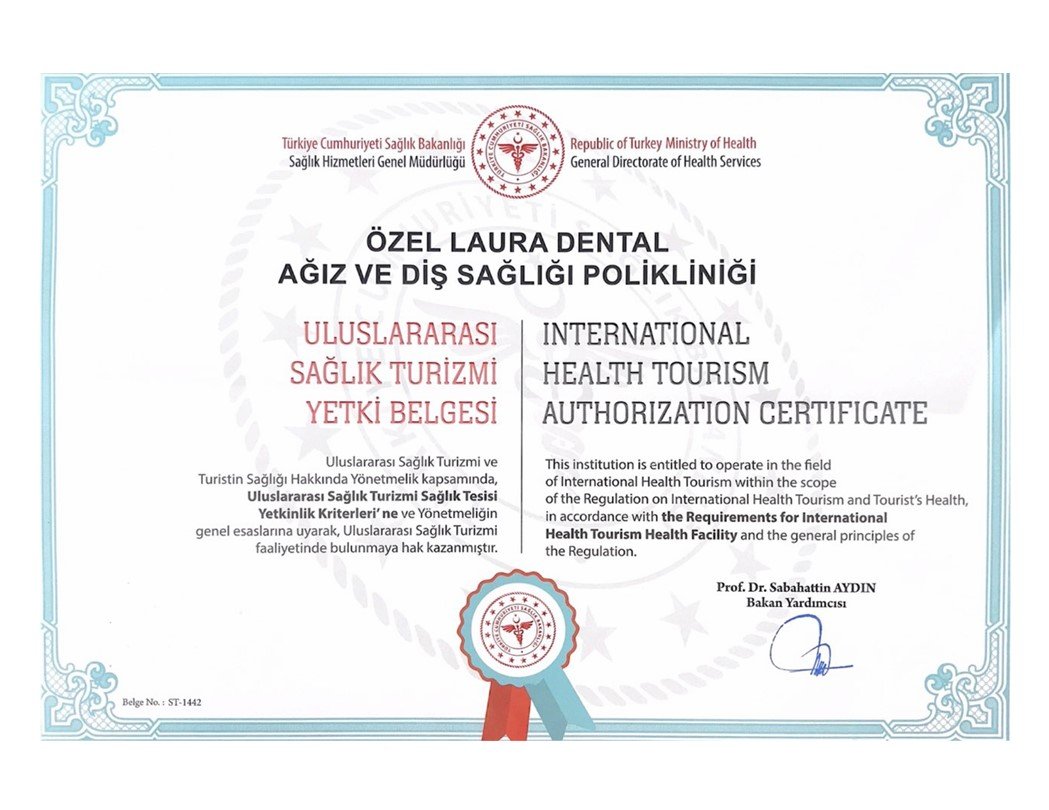
At Laura Dental Center, options include Emax veneers and zirconium crowns, alongside treatments such as whitening. The Hollywood smile materials used depend on your teeth and the proposed procedures. Ask why each material is recommended and how much tooth preparation is involved.
How long after a Hollywood smile can I eat normally?
It depends on the treatment. If you’ve had a local anaesthetic, wait until you can feel your mouth normally before eating. Follow any instructions for temporary crowns or veneers. After implant surgery, your dentist will give separate advice about soft foods and returning to your usual diet.